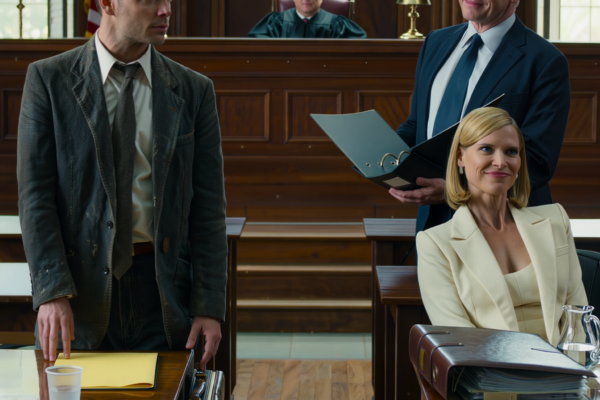
“I’m in the emergency room, please…” I texted my parents, but they replied, “Don’t bother us—handle it yourself,” and ended the call, so I quietly contacted the house manager and said, “Pack up their belongings and let them know their stay ends today.”
My name is Haley Warren, 34, a systems engineer in Savannah, Georgia. I’ve survived sleepless deadlines, brutal projects, and loneliness that could break most people. But nothing prepared me for the silence that answered when I needed my family most.
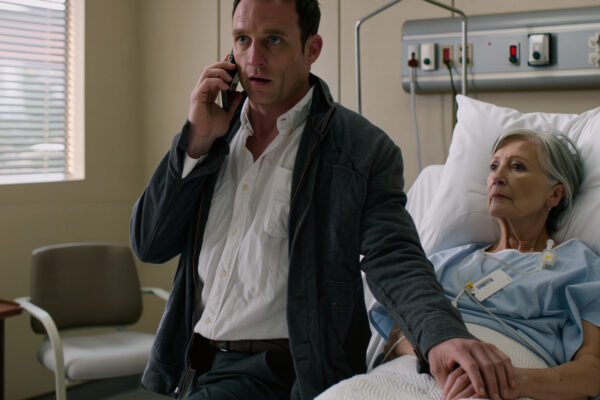
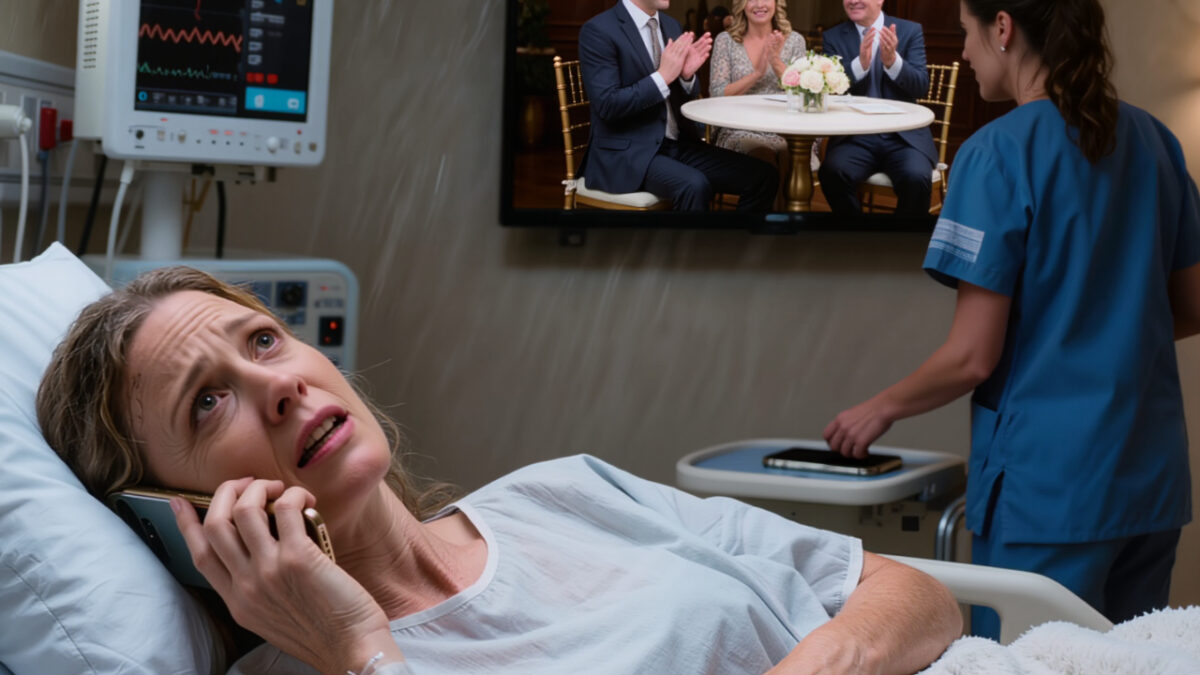
The world spun in white noise, fluorescent lights, antiseptic air, the sharp sting of an IV. My phone vibrated beside me, slippery in my shaking hand. I typed with trembling fingers.
I’m in the emergency room, please. Seconds later, the screen lit up. My mother was calling. I pressed the phone to my ear just in time to hear her voice loud and cutting through the receiver.
We’re busy with Daniel’s award dinner. Don’t bother us. I froze. My throat burned. The heart monitor beside me beeped faster. I tried calling my father. The line clicked. His tired voice came through distant, annoyed.
Then the call ended. Dr. Hill, the attending physician, caught my phone before it fell from my hand.
“Don’t move,” he said softly, checking my pulse.
“I wasn’t crying from pain. It was something deeper, heavier, something no scan could show.” Lying there, I realized a brutal truth. Blood doesn’t always mean family, and family doesn’t always mean love.
Without hesitation, I logged into every account tied to their names, mortgage, car loan, insurance, credit cards, and shut them down one by one. Then I lay back listening to the rain tapping against the hospital window, waiting to see how their perfect world would crumble once money and control were gone.
If you’ve ever been abandoned by the people who were supposed to protect you, stay with me. This story will show you that sometimes silence is the most powerful revenge. Lying in that hospital bed, I couldn’t stop thinking about how we got here.
How my family became experts at pretending everything was perfect. Our house in Savannah looked like something out of an old southern postcard. White columns, magnolia trees, and a porch that creaked every time someone walked across it.
But behind that elegant front door, it was my brother’s world, Daniel. His trophies lined the hallway. His smiling photos filled every frame, and his name floated through every dinner conversation like background music.
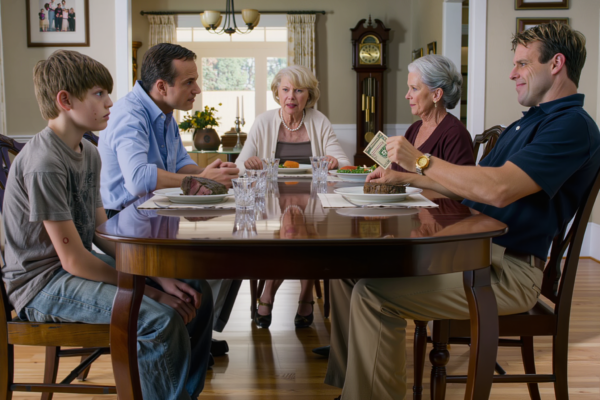
Mom would walk guests down the hall and gesture at his awards, her tone glowing with pride. Our Daniel,” she’d say, as if the rest of us were supporting characters in his story. Even when I brought home good grades, she’d smile faintly.
“Daniel did that better,” she’d remind me. Not cruel, just casual, like brushing dust off a table, and somehow that hurt more. I remember being 12, holding my report card, excited to show I’d finally beaten my last math score.
Mom barely looked up from her magazine.
“That’s good, honey, but Daniel got straight A’s when he was your age.”
I nodded, pretending not to care, then tore the paper in half. That night, Daniel went to a private school with manicured lawns and restaurantstyle lunches. I went to a public one where the roof leaked and the vending machine ate your money.
Mom said they couldn’t afford both. And since Daniel showed more promise, he got the spot. I didn’t argue. I just worked harder. Science fairs, robotics teams, scholarship contests. Sometimes I won, sometimes I didn’t.
But no matter what I did, it was like shouting into a storm. No one at home could hear me. Dad Robert rarely looked up from his Bible or the evening news.
At church, he’d beam when asked about Daniel.
“Our boy just got accepted to a top college,” he’d say proudly.
“When someone asked about me,” his tone dropped.
“Haley’s the quiet one.”
As if I were a footnote in my brother’s biography. I thought if I stayed quiet and focused, they’d notice me for the right reasons. Instead, silence just made me invisible.
As Daniel got older, my parents turned him into a monument. He was the future of the family. I was the responsible one. He could fail, dream, explore. I had to fix, clean, and smile through it all.
When he crashed mom’s car, they bought him another. When I needed money for college applications, I worked extra shifts at a diner downtown. Still, I loved them. That’s the part that hurts the most when I look back.
I never stopped trying to make them proud. After high school, Daniel left for business school in Atlanta. I stayed studying at a local university. I paid for everything: rent, books, tuition.
On weekends, I worked as a lab assistant. When the washing machine broke or dad said church donations were low, I sent money home. They never asked how I was doing, only thanked me and bragged about Daniel’s great progress.
Whenever I called, mom’s tone was warm but distant. She’d ask, “Have you heard from your brother?” Not, “How are you?” If I mentioned my long hours, she’d switch to Daniel’s promotion or his girlfriend’s rich family.
The distance wasn’t sudden. It built slowly, like sediment settling at the bottom of a river. No fights, no drama, just small, constant reminders that I was the second choice.
When I finally graduated and found a steady job, I thought things might change. I called to share the news. Proud of what I’d achieved. Mom said, “That’s nice, dear.
Daniel just got promoted.” I laughed it off, but that night I stared at my diploma and wondered why it felt so hollow. Independence came early. I moved out at 22, renting a small apartment near the coast.
One bedroom, peeling paint, but a view of the river. I fixed my own car, cooked my own meals, never asked for help. It was freedom, but it didn’t feel like victory.
Every holiday they sent invitations mostly to remind me Daniel would be there. You should come, sweetie. Mom would say your brother misses you. I made excuses about work. The truth was I couldn’t stand being in that house anymore.
The one filled with his laughter and my silence. Years later, when I bought my first home, I thought maybe they’d see me differently. I sent photos modest, but mine.
Mom texted back, “Daniel’s buying a lakehouse.” As if comparison was her native language. Sometimes when work took me near the old neighborhood, I drive past that savannah house. The porch still sagged, the magnolia still bloomed, and through the glowing window, Daniel still sat at the head of the table.
His world had never changed. I was the one who left orbit. Distance became habit. I learned not to call. They learned not to ask. Still, deep down, I hoped one day, maybe Christmas, maybe my birthday, they’d call just to say, “We’re proud of you, Haley.”
That call never came. Instead, Daniel kept sending updates in the family group chat, promotions, vacations, fancy dinners. When I stopped replying, no one noticed. When I skipped Thanksgiving, mom said I was busy with work again.
She wasn’t wrong. Work was the only place I felt seen where effort mattered, where success wasn’t borrowed from someone else’s name. I thought independence would earn me respect. I was wrong.
Back then, helping them felt like love until I realized love was the only thing they never gave back. It started with a phone call one gray afternoon. Mom’s voice sounded sweet at first, the way it always did when she wanted something.
We’ve decided to refinance the house, she said, just to help Daniel expand his business idea. But your father’s been worried about the payments. Could you help us out temporarily?
Just until things settled down. Temporarily. That word became the leash I didn’t see tightening. I agreed without hesitation. They called it family pride. I called it duty. So, I paid the first mortgage installment.
Then came the property taxes. Then the home insurance. When the roof started leaking after a summer storm, mom sent me a picture of the damage with a crying emoji and the words, “You’re good with finances, sweetheart.
Could you handle this for us?” And I did. Every single time. While I skipped vacations and postponed fixing my own car, Daniel threw cocktail parties in Atlanta lofts with city views.
Mom excused him easily.
“He’s investing in image,” she’d say.
“You understand how business works.”
I did. But what I didn’t understand was why image meant he got praise while I got invoices. The months blurred into years. I kept paying the medical bills when dad fell.
The dental work mom couldn’t delay. The surprise loan they said was just this once. Each request arrived wrapped in guilt and gratitude. You’re such a blessing, mom would say.
Not everyone gets a daughter like you. It sounded like love, but it was really control. One night, my best friend Nora came over with takeout and a look that could cut glass.
“You’re covering their mortgage now?”
she asked, waving a receipt I’d left on the counter.
“Haley, this isn’t helping them. It’s trapping you.” I tried to laugh it off.
“They’re my parents, Nora. What am I supposed to do? Watch them lose the house?”
“Yes,” she said bluntly.
“If it means they learn something?”
Her words stung because I knew she was right. But guilt is heavy, and I’d been carrying it since childhood. A few weeks later, at a family gathering, I saw the truth laid bare.
Daniel arrived in a tailored suit, grinning, handing out business cards for his consulting firm. I’d helped pay for that logo design. I knew it. Mom knew it. Everyone did.
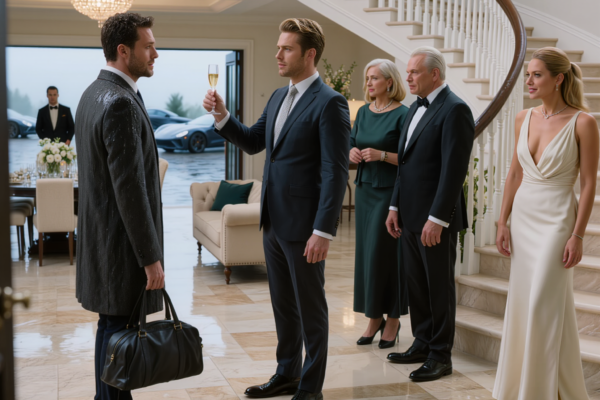
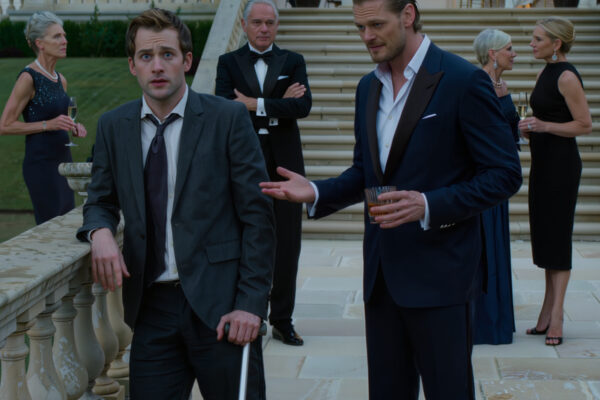
Still, she toasted him like he’d built an empire from thin air. To Daniel, she said proudly. Our shining star. I stood there with a paper plate of casserole, realizing I’d become invisible, not because they ignored me, but because I had built their pedestal myself.
That night, as I helped clean up the dishes, Mom leaned close. You’ve always been such a dependable girl. Daniel just needs a little more time. You’ll help, won’t you?
My throat tightened. I’ve been helping, Mom, for years. She smiled softly, like I just complimented her. That’s what family does. Driving home through the dark, her words echoed in my head.
That’s what family does. But I couldn’t remember the last time they’d done anything for me. A month later, Aunt Grace stopped by unannounced. She’d always been the black sheep, blunt, practical, and unwilling to play the family’s games.
She poured herself coffee and said, “I hear you’re paying their bills.” I hesitated. Just for now. Grace gave a short laugh. Honey, for now is what people say right before it becomes forever.
She stirred her cup, her tone low. There’s love, and then there’s leverage. Know the difference. I wanted to argue, but the truth had already sunk its claws in. My parents didn’t just rely on me.
They expected me. And every time I said yes, I told them it was okay to ask again. The next week, Dad called about his medication bills. It’s just been a rough month, he said, voice gentle.
You’ve always been our rock. Something in me cracked, not with anger, but fatigue. I told him I’d take care of it, hung up, and sat there staring at the blank wall for minutes that felt like hours.
I wasn’t their daughter anymore. I was their safety net, their invisible insurance policy. When my paycheck arrived, I transferred part of it automatically to their account, fingers moving out of habit.
Then I looked at the number left in my balance, enough for rent, barely. The next day, Nora texted, “Dinner tonight? My treat.” I almost said no, but I needed a reminder that not all relationships cost something.
Over pasta and cheap wine, she leaned forward. You know they’re not going to stop, right? Not until you do. I looked down at my glass, seeing my reflection ripple in it.
I just don’t know how. She reached across the table, squeezing my hand. Start by saying no, even once. You’ll be surprised how much power comes back. When I got home that night, the house was quiet.
Too quiet. I sat on the edge of my bed, opened my banking app, and scrolled through the list of transactions with their names beside every dollar I’d sent. Years of support, guilt, and hope reduced to numbers.
That was when I finally saw it for what it was. Not love, not gratitude, just dependency dressed as affection. I didn’t realize generosity had turned me into their safety net.
The last time I spoke to them before the accident was about another payment. Funny how money always filled the silence between us. That week was a blur of deadlines and exhaustion.
I’d been working three nights straight on a systems roll out, surviving on caffeine and the dull hum of fluorescent lights. When Friday finally came, Savannah was drowning in rain. Bay Street shimmerred under a thousand fractured reflections.
Headlights smeared across the wet pavement like veins of golden white. I should have taken a cab. I should have stayed one more hour to rest. But exhaustion tricks you into believing you’re fine until you’re not.
My wipers thrashed uselessly as I drove, the storm swallowing the road ahead. The rain hit like needles against the windshield and every traffic light blurred into bleeding halos. I remember gripping the wheel tighter, trying to steady my breathing, telling myself I was almost home.
Then came the sound that awful metallic shriek and the world turned sideways. The car skidded, spun, and slammed into the median with a crack that echoed through my bones. Airbags exploded, filling the cabin with smoke and dust.
The smell of burnt rubber and blood fused together, sharp and sickening. For a moment, everything went still. Just the hiss of rain and the faint beeping of my hazard lights.
My body refused to move. I tasted copper. My phone had fallen to the floorboard, screen still glowing. I reached for it with trembling fingers and somehow typed the only words that made sense.
I’m in the emergency room, please. It was halftruth. I wasn’t there yet, but I knew I would be soon. An ambulance arrived minutes later. I remember red lights swirling across the wet asphalt, voices shouting, hands lifting me onto a stretcher.
The pain came in waves bright, blinding, merciless. At the hospital, under the sterile light, someone pressed oxygen to my face. Stay with us,” a voice said. I blinked, tried to speak, but the world was slipping sideways again.
When I came to, I was in the trauma bay. Machines beeped steadily beside me. A nurse said, “You should call your family.” So, I did. I texted mom first.
My hands shook, the letters uneven. Mom, I’m in the ER. Please come. Three dots appeared, the kind that make you hold your breath. Then her reply flashed across the screen, sharp and cold as broken glass.
We’re busy with Daniel
I tried calling my father next. The phone rang three times before going to voicemail. His recorded voice, calm, distant, filled the air. Leave your message after the tone. I hung up without speaking.
The nurse later I’d learn his name was doctor. He’ll notice the phone shaking in my grip. He gently took it from me and set it on the tray.
“You’re safe now,” he said softly.
“You need to rest.”
Tears welled up, not from the pain, but from something far deeper, the kind of ache that doesn’t show up on X-rays. Through the curtain, I could hear the steady rhythm of rain on the hospital windows. Somewhere in the distance, a television played news coverage of the City Gala.
Bright lights, laughter, applause. Daniel stood on stage in his crisp black suit, shaking hands, smiling for cameras. Mom and dad sat at the front table, clapping with perfect posture, pride written all over their faces.
A nurse wheeled past with another patient. Machines beeped. My pulse monitor kept time with the thunder outside. I closed my eyes, trying to imagine what it felt like to be loved enough that someone would show up even once.
Dr. Hill returned, checked my vitals, and said quietly, “You’re lucky.” Another few inches, and the impact could have been fatal. Lucky. That word sounded strange in a room where I was completely alone.
I wanted to believe him. I wanted to believe this was just an accident, not a reflection of everything I’d been to them. Useful until broken. When I looked at my phone again, the message thread with mom still glowed on the screen.
Just one line, frozen in gray bubbles. Their applause drowned out the sound of my heart monitor. A week after the crash, the bruises were fading, but the truth they’d left behind still achd like a broken bone.
My body healed faster than my trust ever could. I was back in my apartment, the smell of antiseptic still clinging to my skin. When I finally opened my laptop to check my accounts, I saw the same pattern blinking across the screen.
Automatic withdrawals. mortgage, car loan, insurance, lines of credit. Every month, the same quiet bleeding. Even lying in a hospital bed hadn’t stopped it. For the first time in years, I didn’t feel guilt.
I felt anger sharp, clean, and steady. I hovered over each payment like a surgeon holding a scalpel, and one by one, I began to cut. Mortgage canled, car loan terminated, insurance revoked, credit lines closed.
It was the first time no felt like oxygen. A few days later, the phone rang. The caller ID flashed. I almost let it go to voicemail, but curiosity won.
Haley? Her voice trembled, not with concern, but panic. The bank just called. They said the mortgage payment didn’t go through. Did they make a mistake? I took a slow breath.
No, I said. I did. The silence that followed was thick, electric. Then her tone hardened. Haley, you don’t understand. Your father and I, I understand perfectly. I interrupted. For years, I’ve been paying for a family that never paid attention.
Don’t talk to me like that, she snapped. We raised you. You raised Daniel? I corrected. I raised myself. There was another pause, one that sounded like disbelief, maybe even insult.
You’re being dramatic. This isn’t you. It’s exactly me, I said quietly. You just never cared to see it. The line went dead. For a moment, I stared at the phone, half expecting her to call back.
She didn’t. The following week, I decided to drive to Savannah. I needed closure, not forgiveness, just clarity. The rain had given way to sunlight, but the city felt heavier than ever.
When I pulled up to the old family house, I barely recognized it. The magnolia still stood proud, but the paint had peeled, and the air was filled with shouting. Through the open doorway, I saw Daniel pacing across the living room, his phone pressed tight to his ear.
I told you I’ll get it handled, he barked. The funds are delayed, but it’s fine. I have connections. His connections? I knew were gone with my last payment. Elaine stood near the window, hands twisting a dish towel.
Dad sat in his recliner, jaw tight, eyes avoiding mine. When I stepped inside, the air dropped 10°. Daniel turned first. You’re here, he said flatly. Guess you’ve heard. I’ve heard enough, I replied.
Elaine’s voice cracked like glass. Haley, how could you do this after everything we’ve done for you? I almost laughed. Everything you’ve done for me? You mean the silence, the guilt, the dinner tables where my name didn’t exist?
Her face flushed. We’re family. Then maybe you should have acted like it. Dad finally looked up, his voice grally. You embarrassed us, Haley. The bank called. Daniel
I met his gaze. Maybe if you’d cared, I wouldn’t have stopped. No one spoke after that. The sound of Daniel’s phone hitting the floor was the only thing breaking the stillness.
I walked toward the door, the same doorway I’d crossed a thousand times before. For once, I didn’t look back. Outside, the air felt lighter. The sun hit my bruised hands.
And for the first time, I didn’t feel small. I didn’t feel invisible. I just felt free. Driving away, I passed the familiar streets that had once defined my world.
Each turn felt like shedding another layer of weight. The house shrank in the rear view mirror until it was nothing more than a memory, one I no longer owed anything to. Back home, I sat on my couch, phone in hand.
Dozens of missed calls blinked across the screen. Mom, dad, even Daniel. I deleted them all. For years, I’d been their lifeline. Now I was mine. After I pulled the plug on every payment, silence settled between us.
Not the peaceful kind, but the kind that warned something is about to fall. For weeks, no one called. No messages, no visits, no let’s talk. Just an empty quiet stretching wider each day.
Then exactly one month later, the fall began. It started with the house. The same white columned home that had been their pride for decades now stood behind yellow foreclosure notices taped across the door.
The bank finally claimed it after months of missed payments. A neighbor filmed the moment the padlock clicked shut a short clip that would later circle the local news with the headline, “Prominent Savannah family faces foreclosure.” Daniel was the next to fall.
His company, once buzzing with investors and networking dinners, suddenly came under investigation for contract fraud. The whispers grew into reports and then subpoenas. He had forged invoices to inflate revenue, a trick that might have gone unnoticed had I kept funding their image.
His business partners pulled out one by one until the office lights went dark. When I read that his firm had officially declared bankruptcy, I didn’t smile. I just closed the article and stared at the ceiling for a long time.
Then came Robert. My father had spent years building his reputation at the church, sitting on committees, advising youth programs, preaching about integrity every Sunday. But rumors travel faster than sermons.
When word spread about the foreclosure in Daniel’s scandal, the congregation turned cold. During one meeting, a deacon reportedly asked him, “How can a man preach about stewardship when he can’t manage his own home?” By the end of that week, Robert had been asked to step down from the church board.
They called it a necessary measure to preserve trust. He called it betrayal. Either way, his legacy crumbled overnight. Elaine, once the voice of confidence and composure, was the last to fall.
She went to Aunt Grace, the same woman she had mocked for being too cautious with money. I only know because Grace called me afterward. She said Elaine had arrived in tears, asking for a loan, claiming it was just a temporary setback.
Grace listened, then answered with quiet firmness. You built this wall yourself, Elaine, and now you’re standing behind it. That sentence followed me all week. By the end of that month, the local paper ran a small piece summarizing the collapse, foreclosure, investigation, resignation.
It was clinical, detached, just another cautionary story tucked between weather reports and charity fundraisers. But I read it anyway, line by line, because it was the story of my family written by strangers. People from work started whispering, wondering if I was related.
I didn’t deny it. I didn’t explain either. I’d already spent too many years explaining for them. One evening, while the city hummed quietly outside my window, I sat with a cup of tea and opened the newspaper again.
There was a photo of the house shutters closed, grass overgrown, the foreclosure notice still visible. Beneath it, a caption read, “Former residents of the Warren family under repossession.” I waited for the rush of satisfaction I thought would come.
It never did. There was no victory in watching a structure collapse. Not when you once helped hold it up. I didn’t feel joy or revenge or even pity, just peace, the kind that comes when you stop trying to fix something that was never meant to stand.
The silence I gave them echoed louder than any argument. Months passed and the noise finally stopped. No more phone calls, no more excuses, just a quiet that felt almost like peace.
My body had fully healed by then. The scars faded into pale reminders, and the pain in my ribs no longer throbbed when I breathed. Life became simple again, slower, quieter, and finally mine.
Dr. Hill, the physician who stayed by my side that night in the ER, reached out a few months later. He said the hospital was developing a new emergency response system and asked if I’d be interested in joining the project as a systems designer. The idea of turning something that once broke me into something that could save others felt right.
I said yes. For the first time in years, my work wasn’t about approval. It was about purpose. I moved in with Aunt Grace for a while. Her home sat just outside Savannah, a small sunlit house surrounded by pine trees.
She never asked for explanations, never demanded stories. Instead, she taught me small rituals of peace, morning walks, quiet breakfasts, and the art of saying no without guilt. I learned to cook simple meals, fix leaky taps, and sleep without waiting for someone to call.
One morning, while sorting mail at the kitchen table, I found an envelope with my parents old address printed faintly on it. Inside was a formal letter, the final notice of the foreclosure auction. Their house had been sold.
I stared at the page for a long time, not out of shock, but recognition. That house had already stopped being home long before the auctioneers gavel hit the table. News of Daniel came weeks later.
He had left Savannah entirely, closing the last remnants of his company. Someone at the hospital mentioned seeing him in Atlanta, working under a different name. The man who once filled rooms with confidence now existed as a rumor.
As for Robert and Elaine, they rented a small apartment downtown. Without their titles, their invitations, their social circle, they became invisible, just another couple faded from memory. Savannah moved on without them, the way the world always does.
One evening, as the sun dipped behind the trees, I sat on the porch with my laptop and wrote my final email to them. It wasn’t angry or cold, just honest. I wish you peace, but not my help.
Then I hit send, closed the laptop, and felt something I hadn’t felt in years. Release. The air smelled like rain, and somewhere in the distance, the world was still turning.
I realized that healing wasn’t about forgiveness or revenge. It was about reclaiming the space inside you that someone else once occupied. If this story reminded you of someone you love too hard, share your thoughts below.
Sometimes walking away isn’t cruelty, it’s courage. Thank you for listening.